Skip to content

Pallet nailing line

LCA Line

The LCA is our pallet nailing line: a sequence of modules that takes boards and blocks through to the finished stack of pallets. It is built in four models, all in the catalogue, which share the same modules, the same robust design and automatic format changeover from the screen.

Choose your model.

Independent double pusher: the operator always works from a fixed position.

Two pusher chains with their own rhythm — they speed up, wait or stop as required — and only 2 jigs, with a changeover 3 times faster. The best seller in the catalogue.

Output
4 – 5 pallets/min
Operators
1 – 4
Minimum pallet
600 × 800 mm
Maximum pallet
1,400 × 1,400 mm
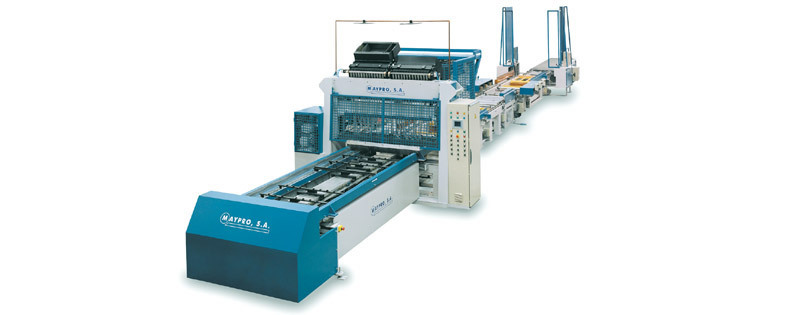
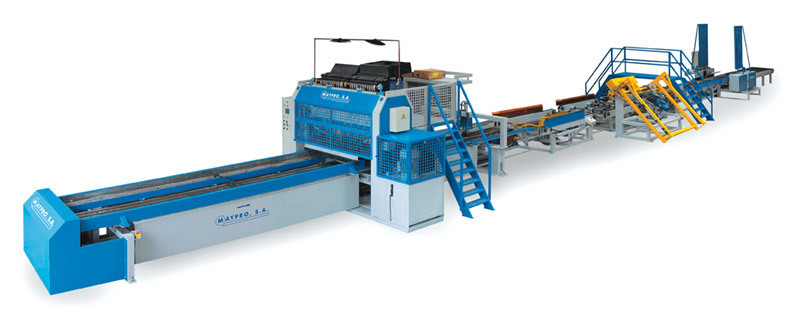
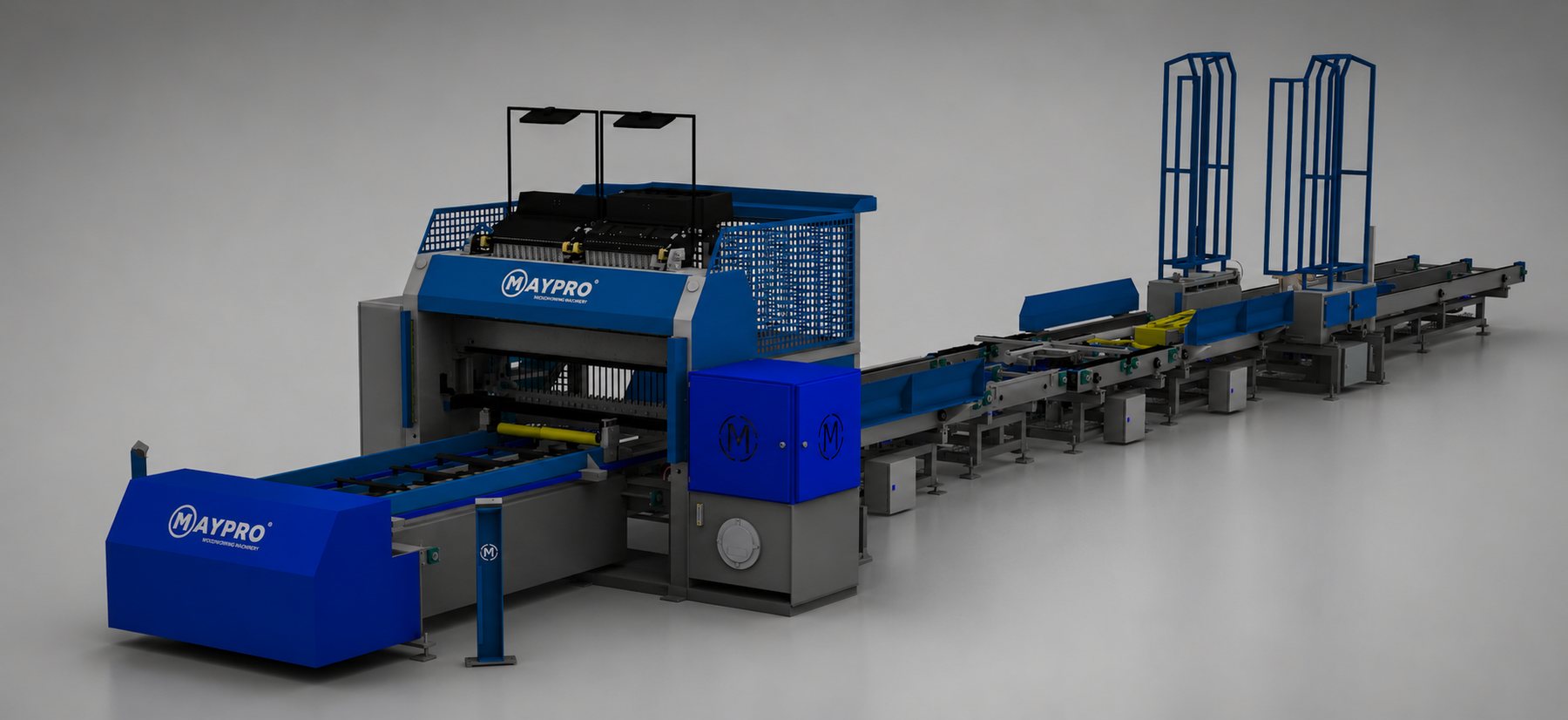
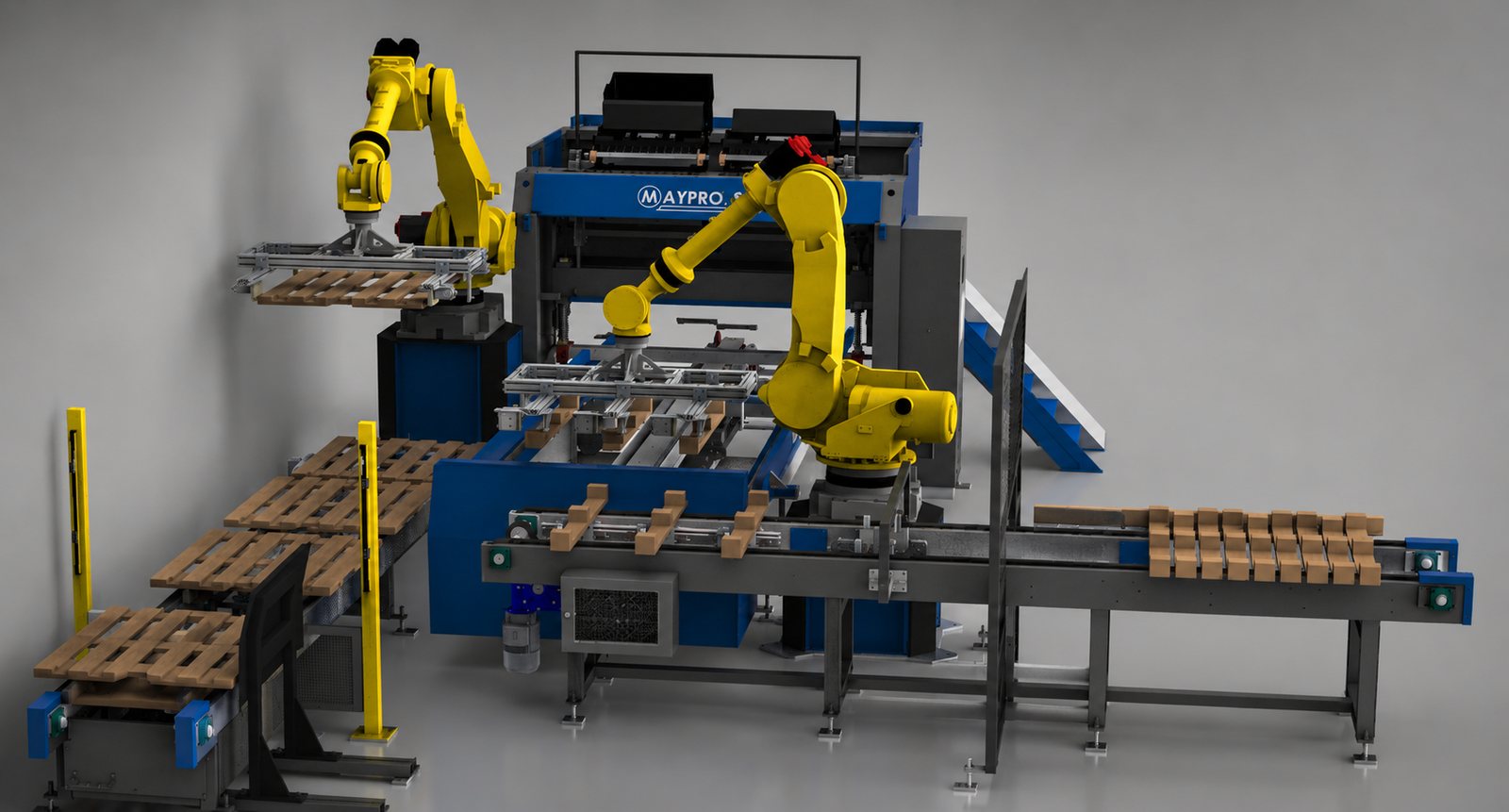
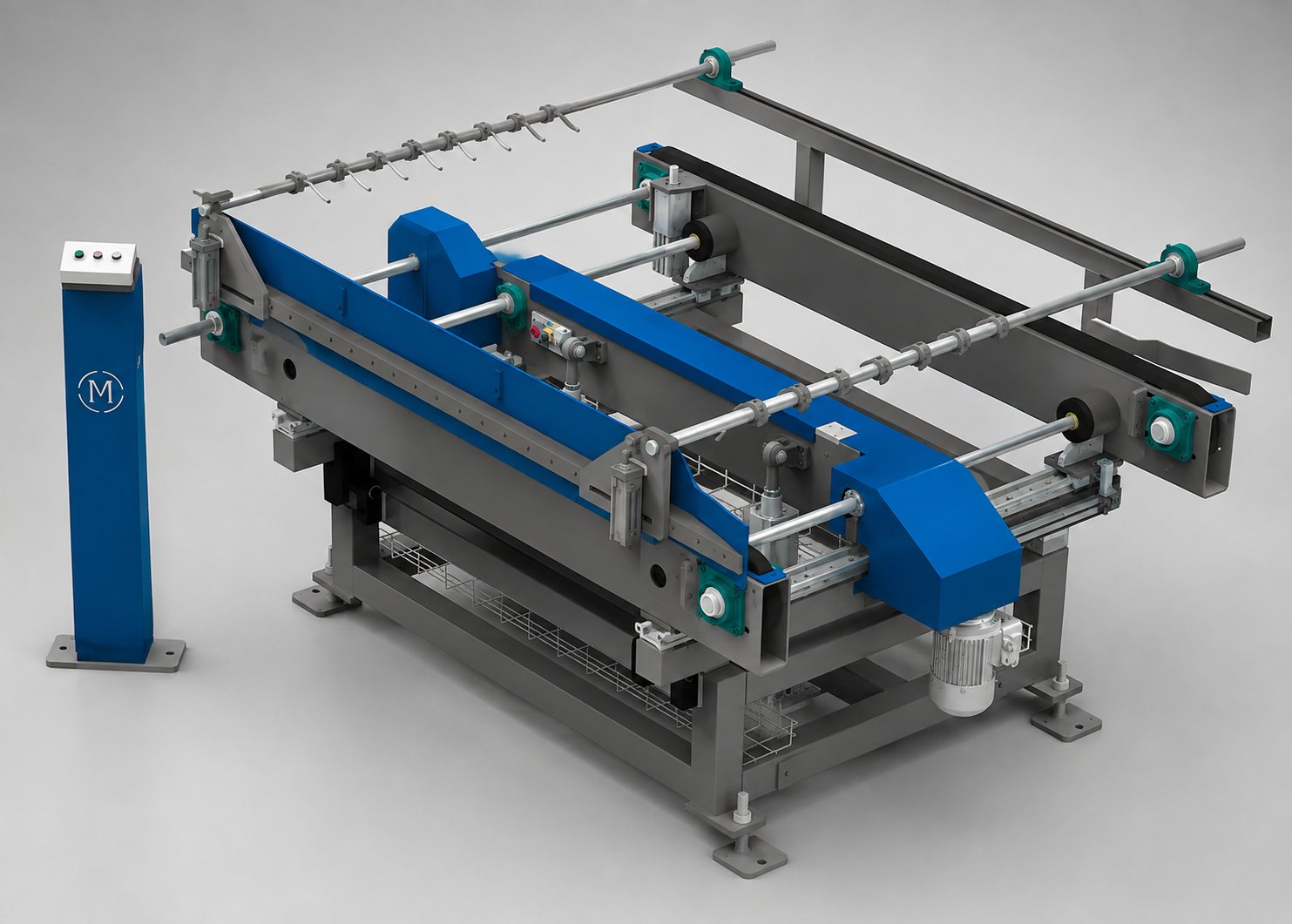
Complete LCA-4 line: double-pusher nailing machine, stacker with accumulation towers and outfeed transfer
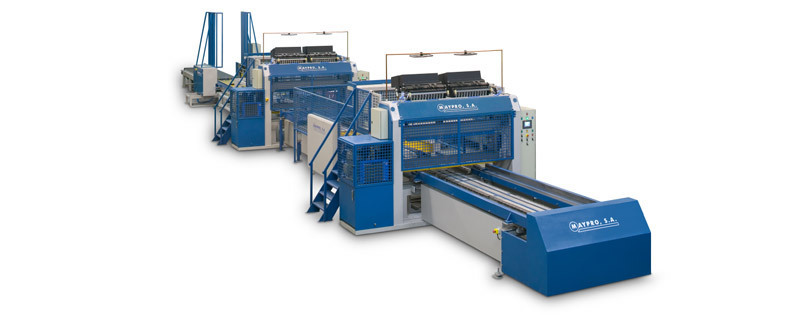
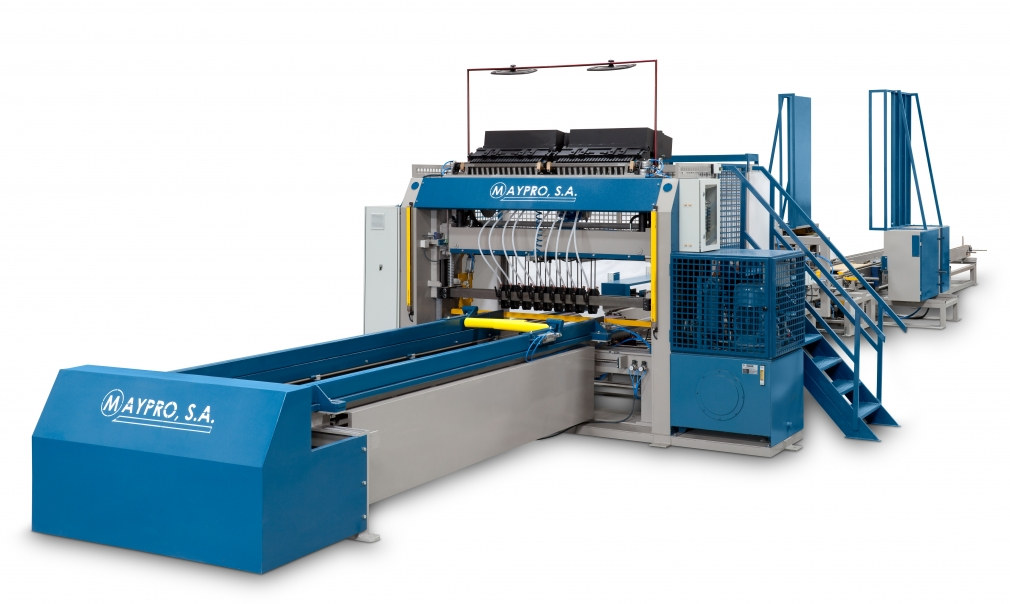
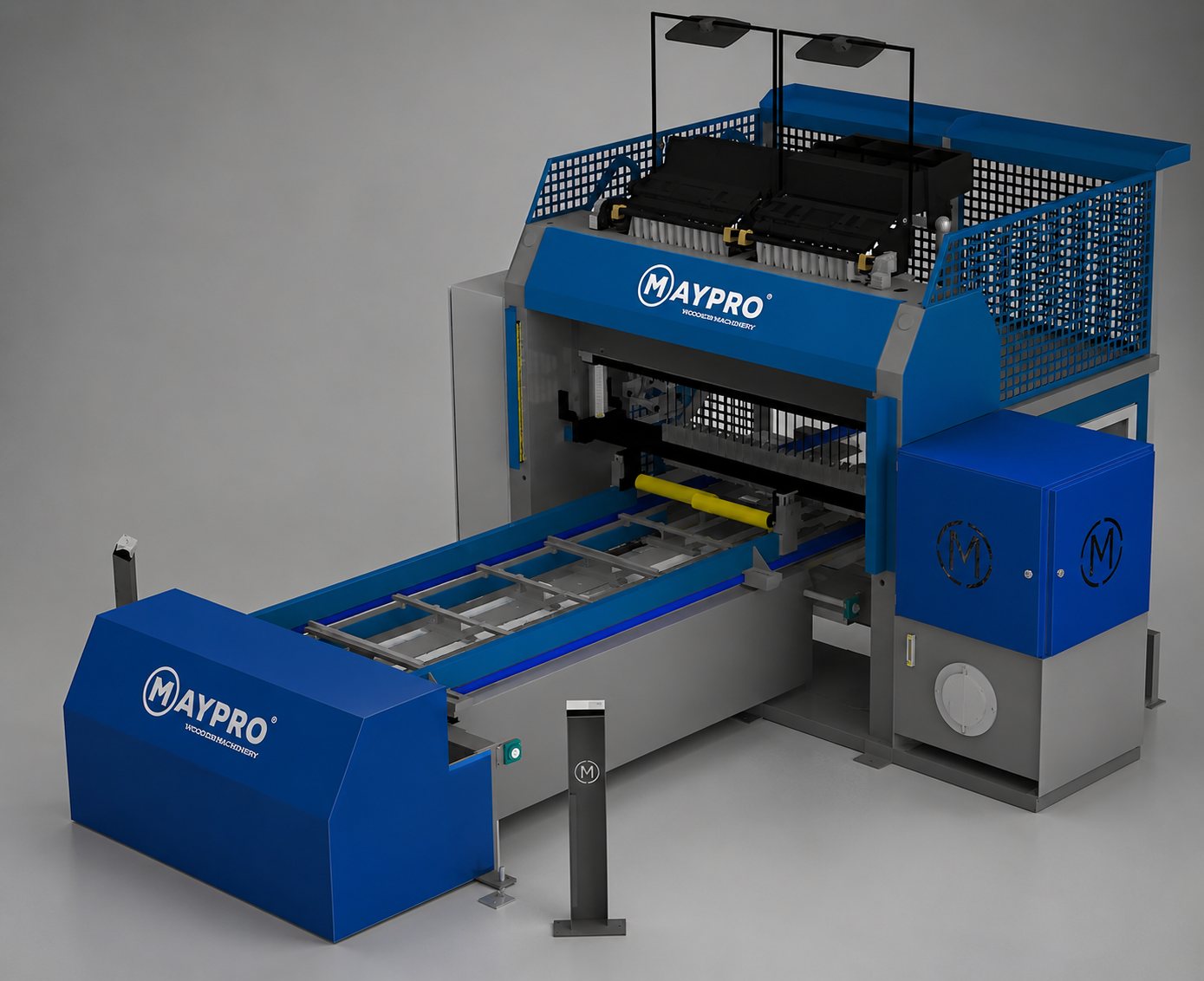
Installed LCA-4 line, with the double-pusher nailing machine and the feed conveyor
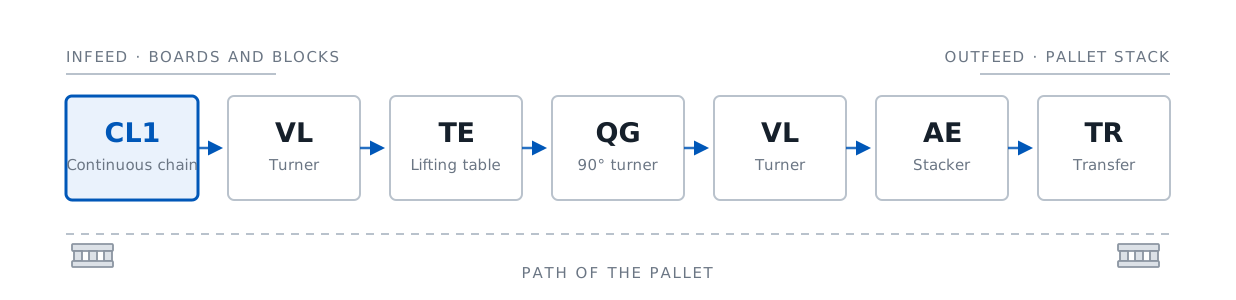
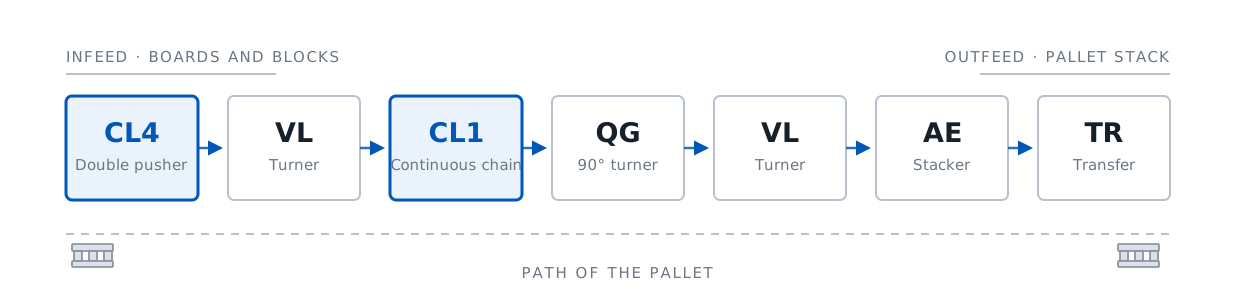
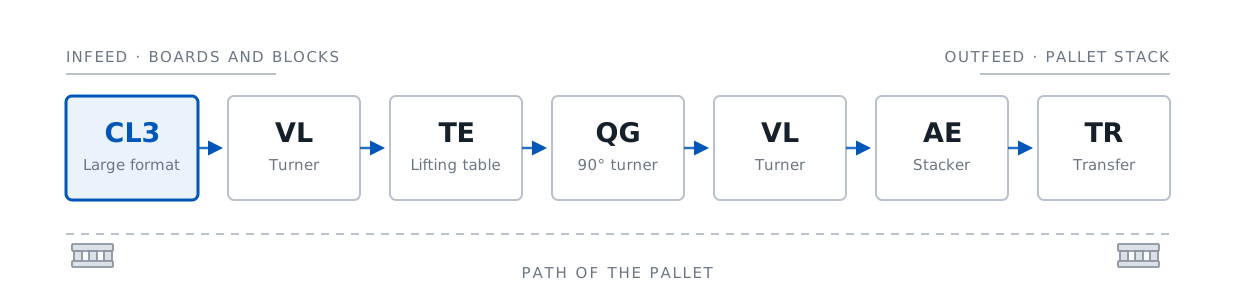
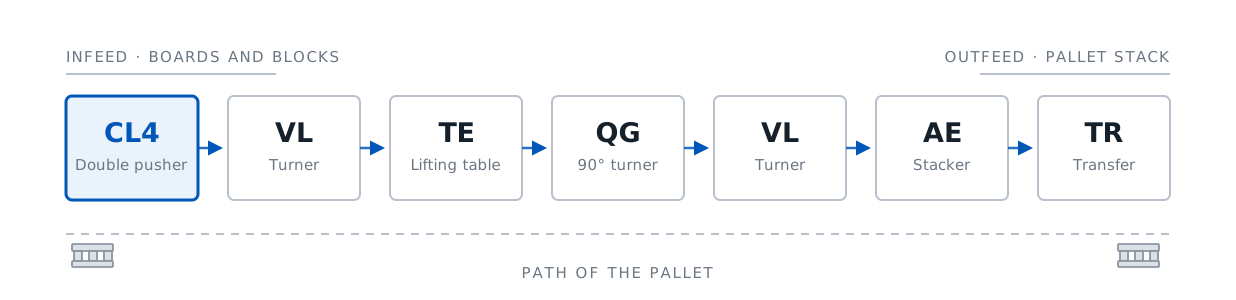
Plan view of the LCA-4: module sequence from infeed to the outfeed stack
The LCA-4 modules, in process order · see the process route step by step

The pallet process route

What the line does, step by step.

Each step, with its module: click the image to open the module's data sheet.

Process route of the LCA-4Change model

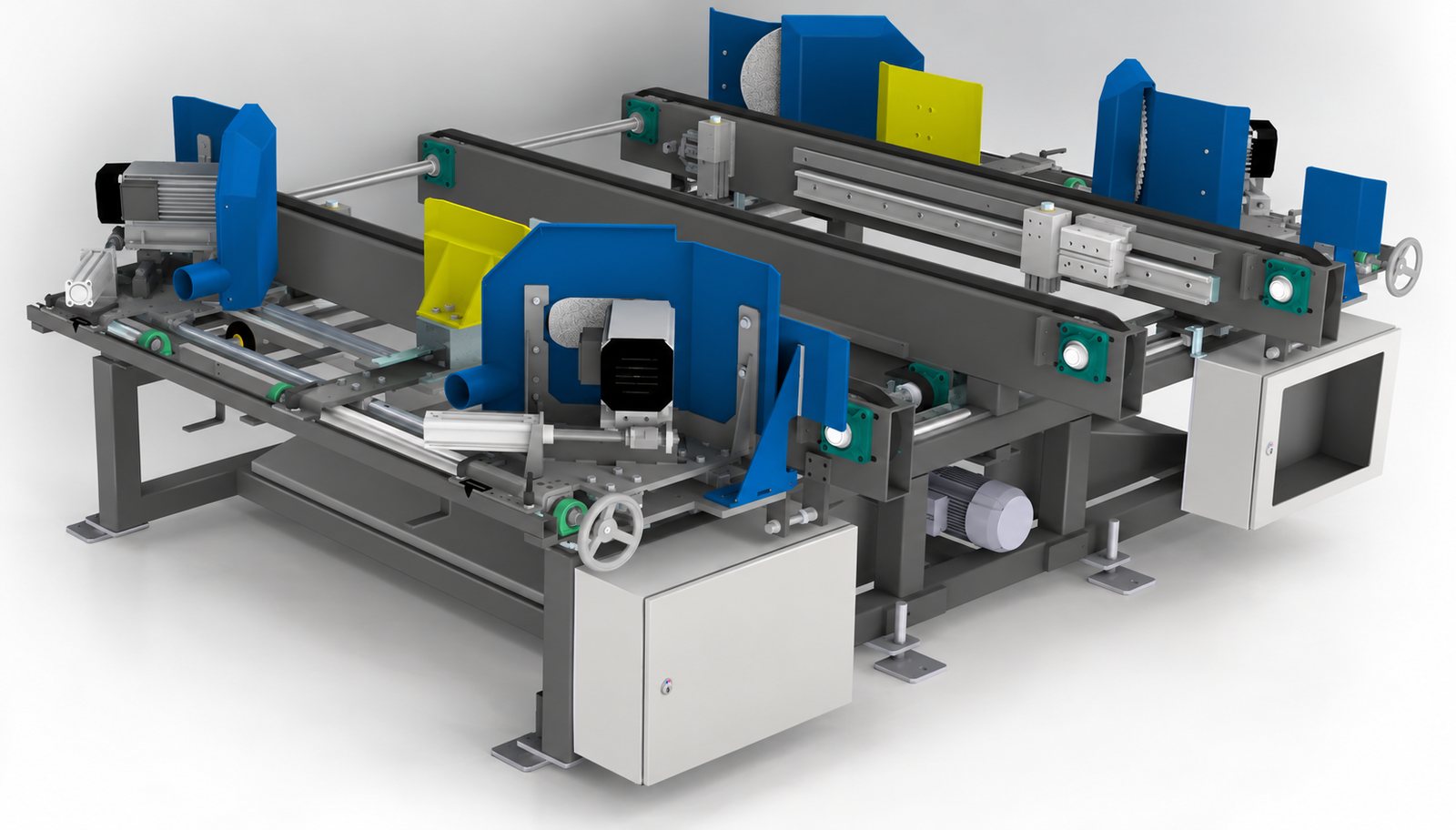
Nails the pallet

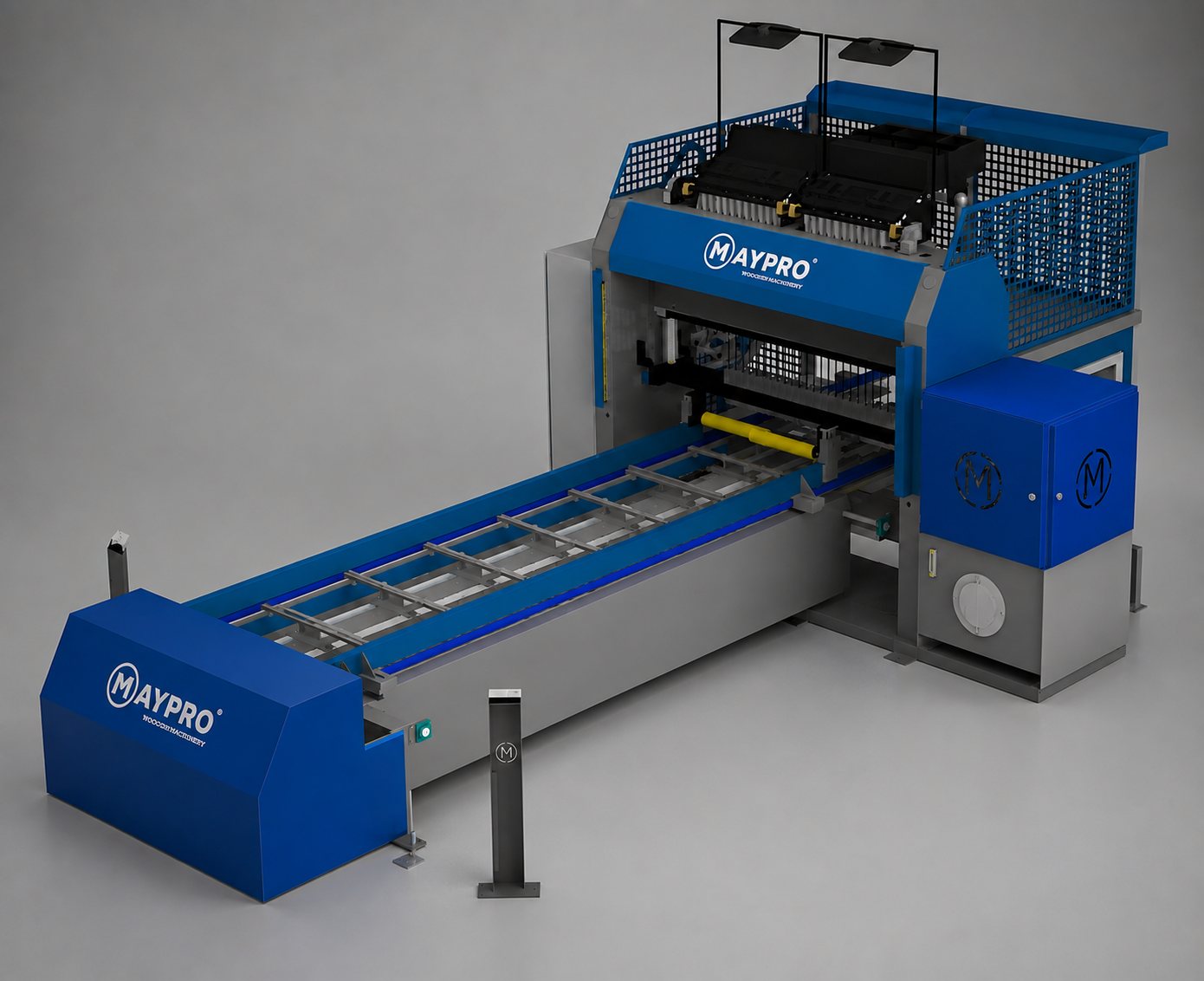
The operator places boards and blocks on the pushers and the nailing machine nails the assembly together. Each model has its own nailing machine: it is what defines the character of the line.

No operators? Two Fanuc robots can feed the nailing machine.
Turns the pallet over

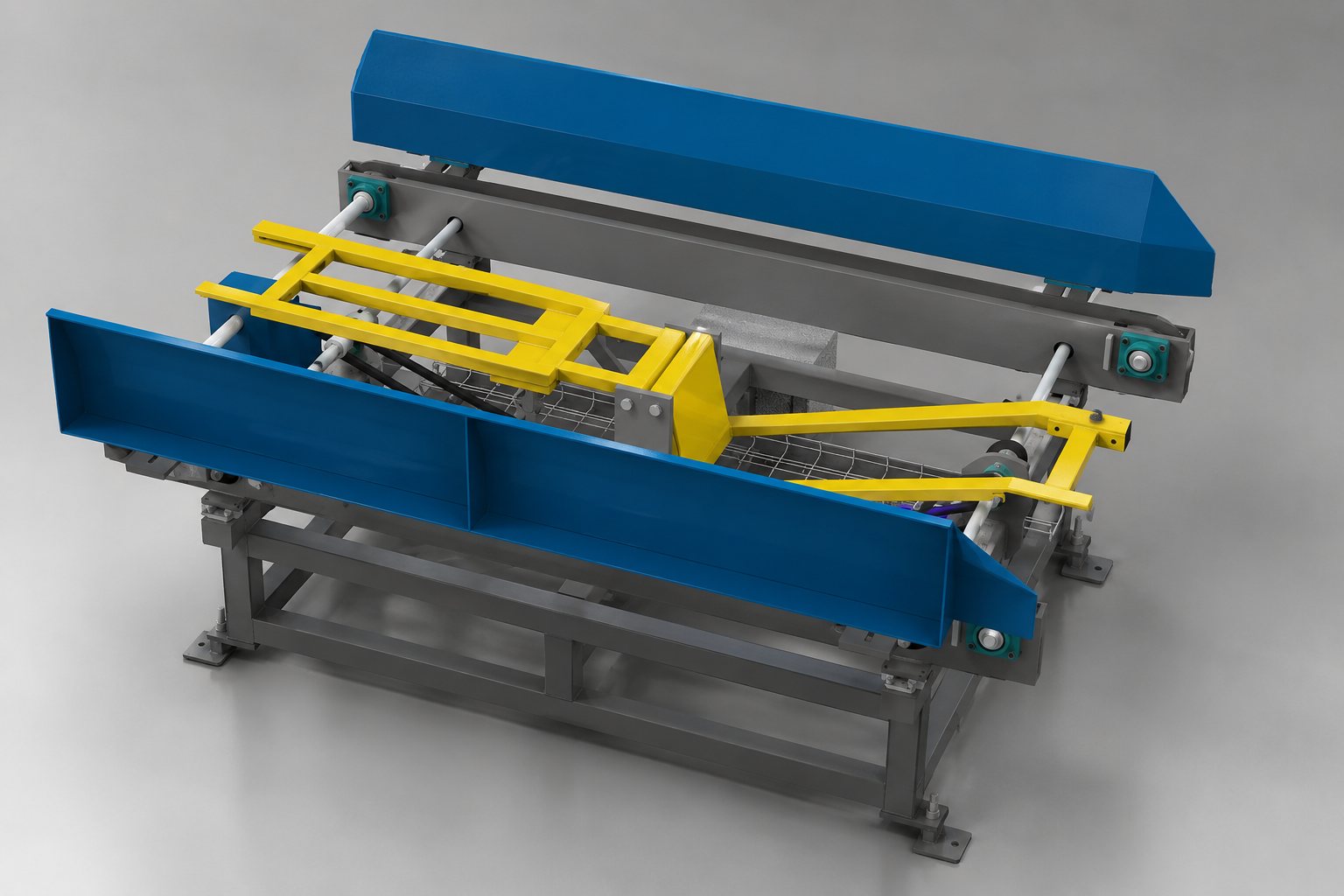
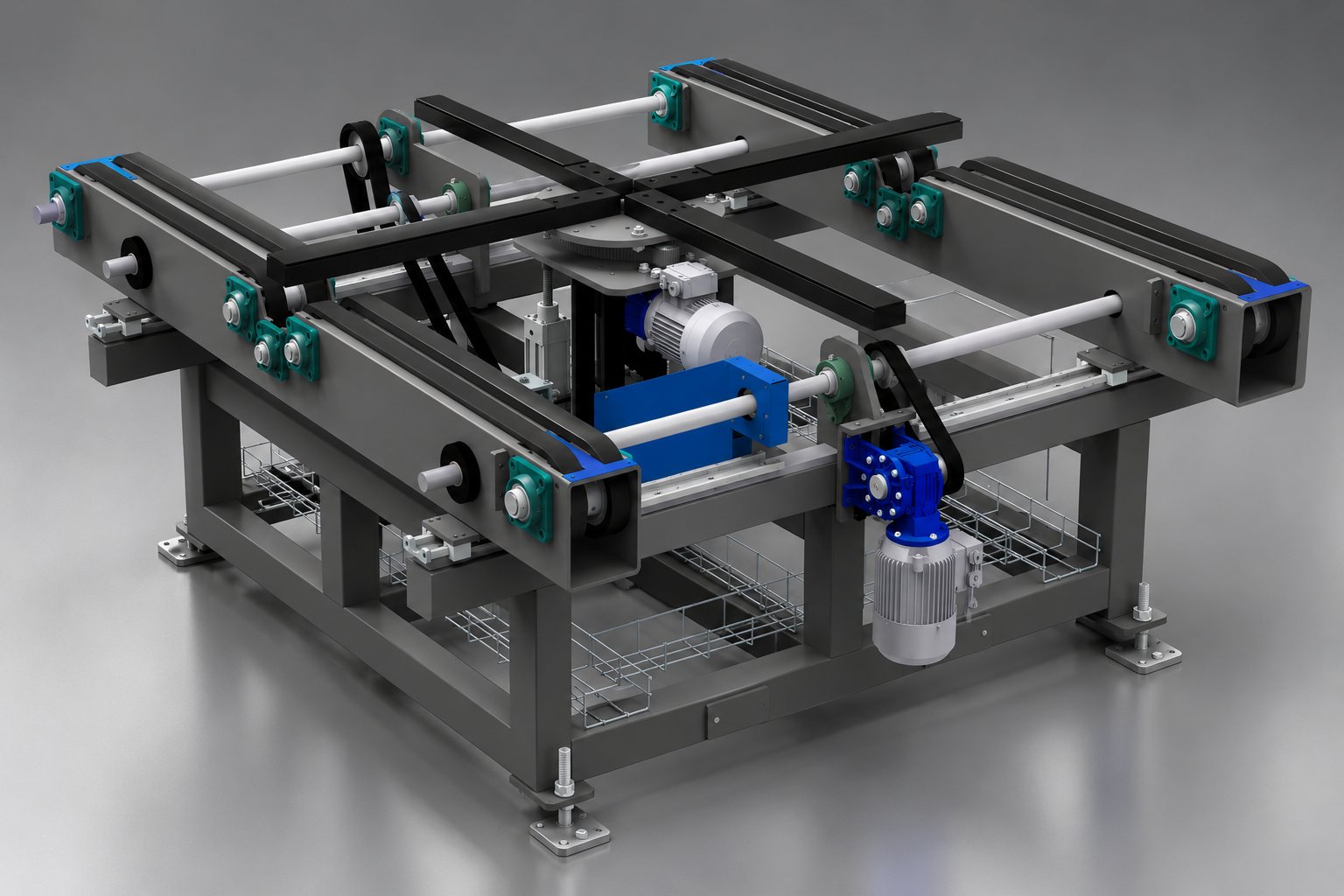
The adjustable turner flips the pallet over so that its underside can be worked on. It adjusts to the size automatically, from the screen.

Turns the pallet 90 degrees

The 90° turner orients the pallet towards the next station. It turns continuously, without turning back as conventional 90° turners do: a faster pace with fewer movements.

Stacks the pallets

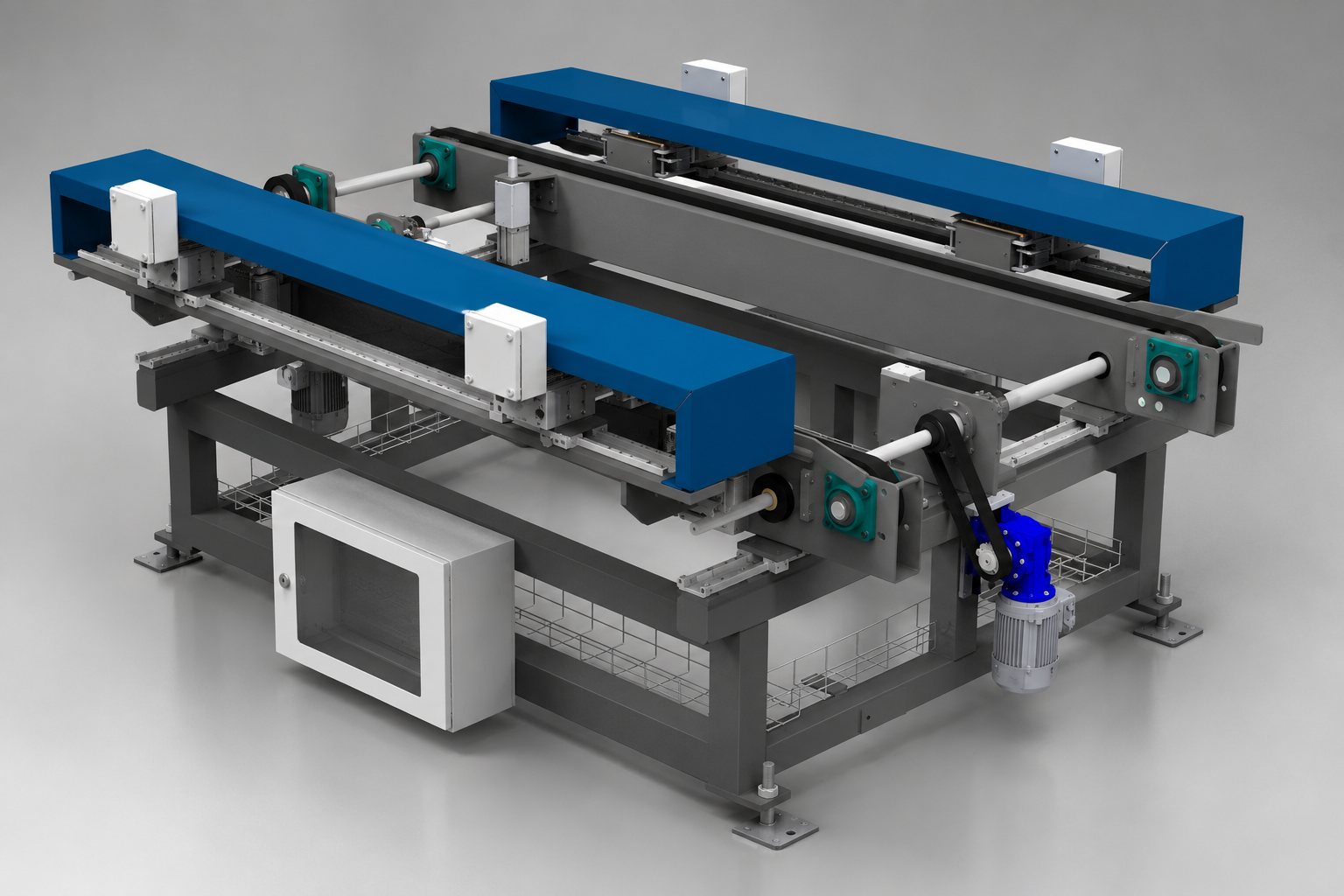
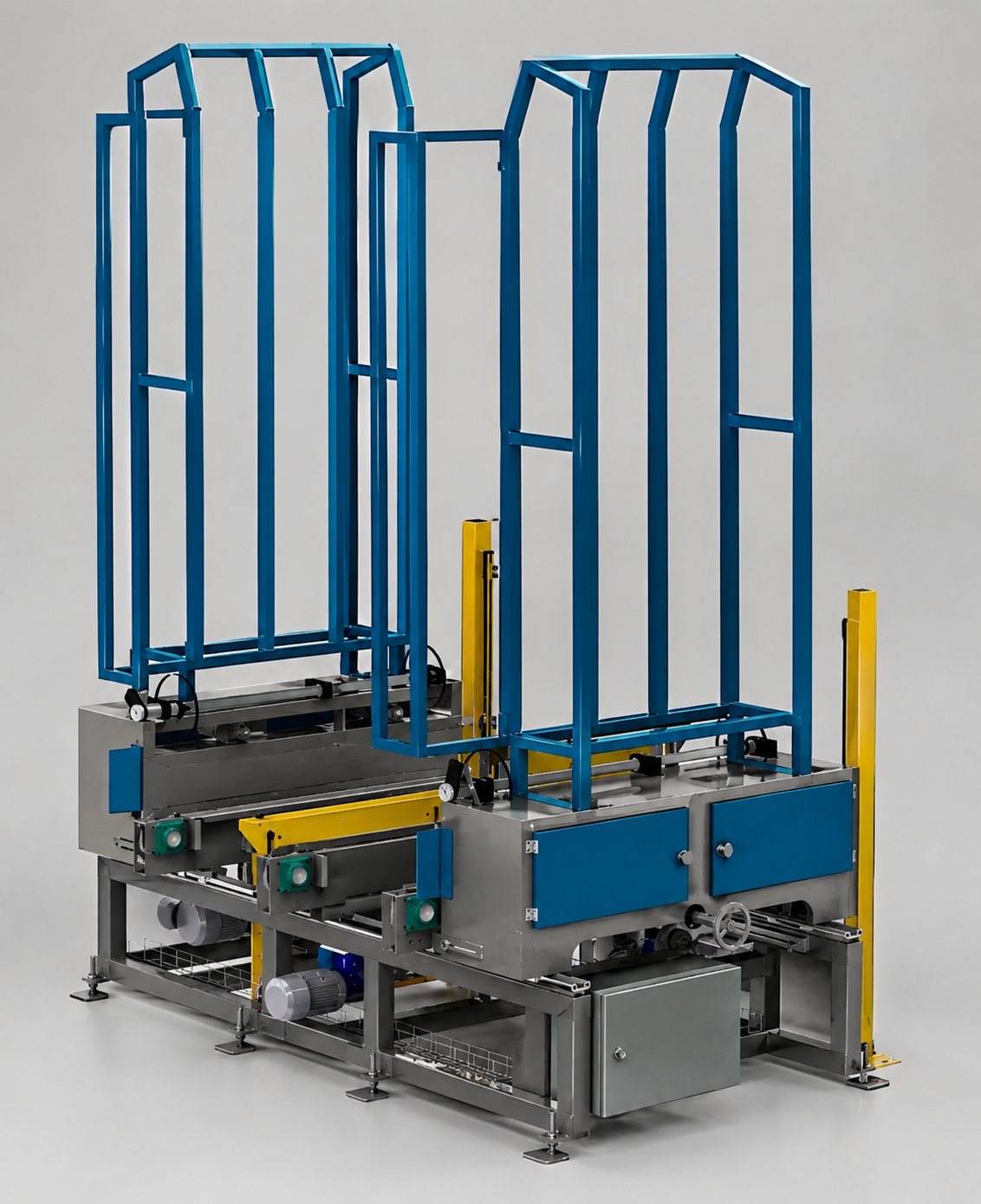
The electric stacker forms the stack of finished pallets, with safety barriers and the format controlled from the line's screen.

Delivers the stack

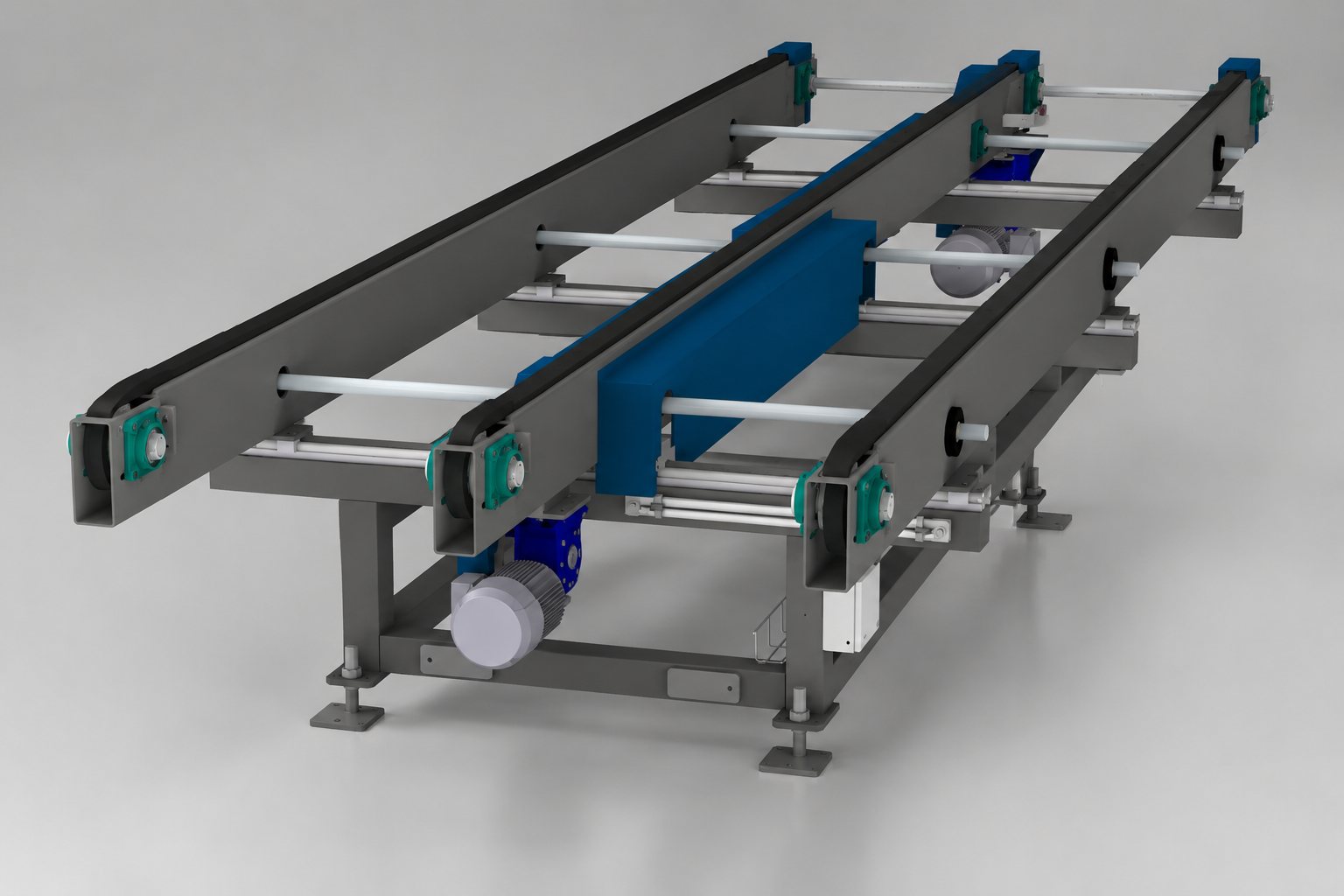
The chain transfer brings the stack to the pick-up point so the forklift can remove it without manoeuvring and without interrupting the line.

Missing a module? We have many more than those shown on this website, and we design whatever your plant needs. Talk to our engineering department

In operation

See the line at work.

0:56
From board to pallet, step by step A run through an LCA-4: the operators place blocks and boards, the nailer nails, the turner flips the pallet over, the bottom boards are nailed on a non-lifting table, the 90° turner orients the pallet and the stacker adds it to the stack.
1:02
Automatic loading An LCA-2 from start to finish, in process order: the blocks and boards come in, the gantry places the boards, the first nailer joins the top deck, the turner flips the pallet, the second nailer nails it from the other side, the branding unit marks it, the chamfering machine chamfers it and the stacker adds it to the stack.
0:23
Manual loading Two people feed the nailing machine and the line never stops.
Full videos for customers

Complete cycles, format changes and the detail of every module, reserved for customers with access.

Want to see them? Write to us

Enter the customer area

Automatic format changeover

Format changeover is done from the screen.

Enter the size of the pallet you want to make on the touch screen and the line adjusts itself: turners, lifting table, 90° turner, stacker and transfer reposition automatically — and so do optional modules such as the corner chamfering unit and markers. No manual adjustments and no downtime. The only exception is the nailing machine, whose jig change on the CL4 is 3 times faster than on a standard nailing machine.

And like every MAYPRO machine, the line can be monitored from your phone — consumption, status, output and alarms in real time — and supports remote connection from our offices for immediate assistance.

Finished pallets in the stacking tower at the end of the LCA line
1200 × 800 mmCURRENT FORMAT

Value for money

There are faster lines. At a price that soars.

Gaining one or two pallets per minute multiplies the complexity and cost of a line. The LCA sits at the optimum point of the curve: up to 4–5 pallets per minute, built for decades, and the value for money that sets us apart from the big international manufacturers.

LCA OUTPUT → PRICE → OPTIMUM POINT
Beyond this point, every extra pallet per minute comes at a very high price.

Which one is yours?

Model What defines it Pallets/min Operators Min. pallet Max. pallet
LCA-1since 1999 Continuous-chain nailing machine with 6 jigs: the flow never stops. 3 – 4 2 – 3 600 × 800 mm 1,400 × 1,400 mm
LCA-2since 2004 Two nailing machines in line: the underside is finished by machine. 4 – 5 2 – 4 600 × 800 mm 1,400 × 1,400 mm
LCA-3since 2009 The large-format line: up to 2,500 × 1,400 mm. 1 – 2 2 – 4 1,000 × 1,000 mm 2,500 × 1,400 mm
LCA-4since 2012Best seller Independent double pusher: the operator always works from a fixed position. 4 – 5 1 – 4 600 × 800 mm 1,400 × 1,400 mm

The length of each line depends on the modules chosen — tell us about your case.

What customers ask us

Frequently asked questions

What output does an LCA line have?
Between 1 and 5 pallets per minute depending on the model: the LCA-1 produces 3–4, the LCA-2 and LCA-4 produce 4–5, and the LCA-3, designed for large formats, 1–2.
What pallet sizes does it handle?
From 600 × 800 mm to 1,400 × 1,400 mm on the LCA-1, LCA-2 and LCA-4. The LCA-3 goes up to 2,500 × 1,400 mm for large pallets and platforms.
How many operators does it need?
From 1 to 4 depending on the model and the level of automation. With robotic feeding of the nailing machine (ROB 2), the line can run with a single operator.
How is the pallet format changed?
From the touch screen: once the size is entered, every module repositions itself automatically. On the CL4 double-pusher nailing machine, with only two jigs, the changeover is three times faster than on a standard nailing machine.
What is the difference between the LCA-2 and the LCA-4?
Both produce 4–5 pallets per minute. The LCA-2 has two nailing machines, the second finishing the underside of the pallet by machine. The LCA-4 has a single double-pusher nailing machine, shorter, with the operator in a fixed position and a faster jig change.
Can an existing line be extended or automated?
Yes. The family's modules — turner, 90° turner, corner chamfering unit, marker, feeding robots — can also be added to lines already in service, and every machine comes with remote assistance from the factory.

Technical advice

Tell us how you work.
We will tell you what suits you.

No two factories are alike. Before we propose anything, our engineering department looks at what you make, how much you need to produce, what your plant is like and how many people you have. Sometimes the answer is a complete line; sometimes a single module or one machine.

And there is more than you see on this website: we have many more modules than the ones shown here and, if your plant needs something that does not exist yet, we design it for you.

What we look at with you

  1. Your productWhat you make or recover, in which sizes and in how many formats.
  2. Your outputHow many units per shift, how many shifts and how much you want to grow.
  3. Your plantThe space, the access points and where the line fits: we send you the layout in 3D.
  4. Your teamHow many people you have today and what you want to automate.

With this, we propose the configuration that suits you.

Request a quote